Choose based on brand
Engine Mount
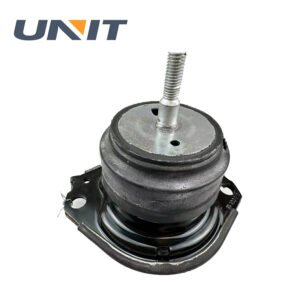
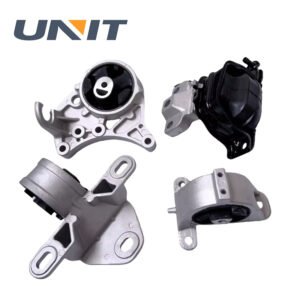
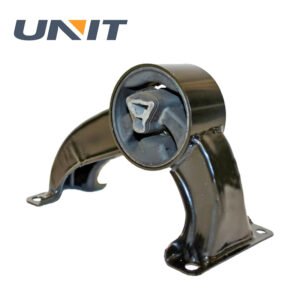
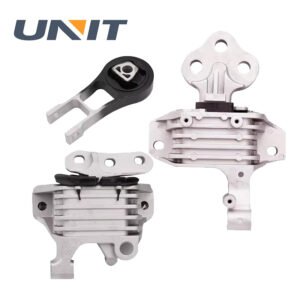
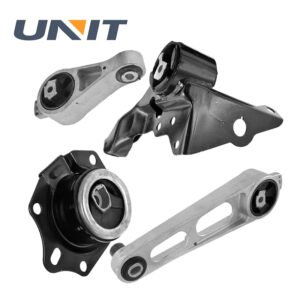
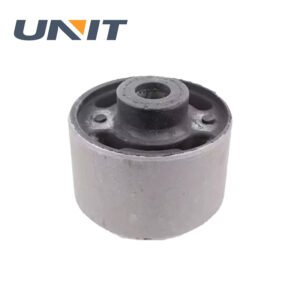
An engine mount is a critical component that secures the engine to the vehicle chassis while reducing vibration and noise generated during engine operation. Modern vehicles typically use several engine mounts positioned around the engine and transmission to maintain proper alignment and stability. These mounts are usually made of metal brackets combined with rubber or hydraulic damping elements. The metal structure provides strength and support, while the rubber component absorbs vibration and prevents it from transferring to the vehicle cabin.
Engine mounts play an important role in improving driving comfort and protecting other vehicle components. During acceleration, braking, and cornering, the engine naturally produces movement due to torque forces. A properly designed engine mount controls this movement and keeps the engine stable. If an engine mount becomes worn or damaged, drivers may notice excessive vibration, engine movement, or knocking noises. High-quality engine mounts are manufactured using durable rubber compounds and precise bonding technology to ensure long service life and consistent performance in various driving conditions.
Choose based on brand
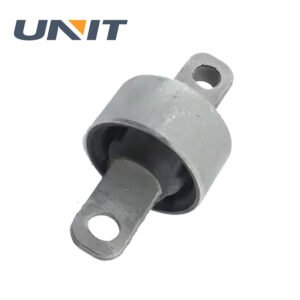
Suspension Bushing
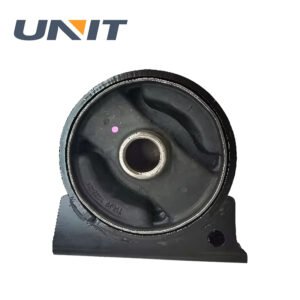
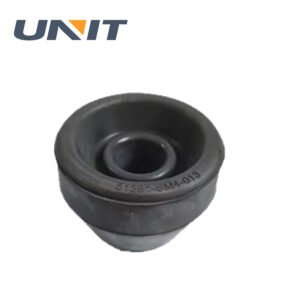
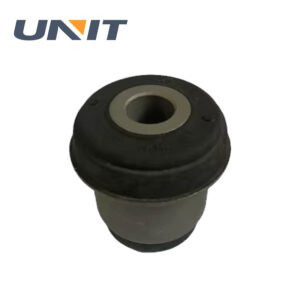
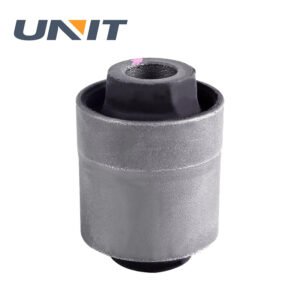
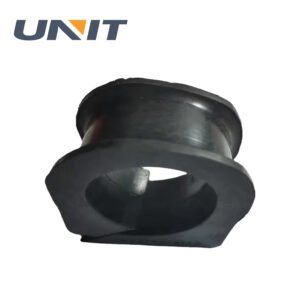
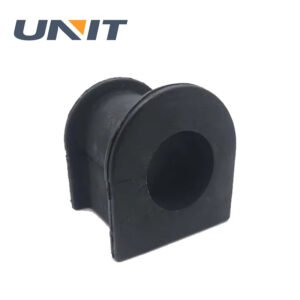
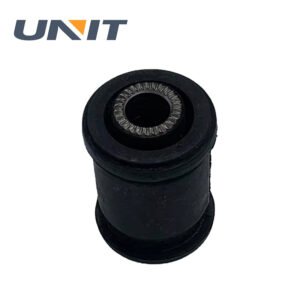
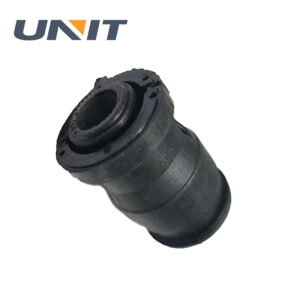
A Suspension Bushing (or rubber bushing) is a flexible component widely used in automotive suspension systems to reduce vibration and allow controlled movement between metal parts. It typically consists of rubber bonded to inner and outer metal sleeves, forming a durable interface between suspension components. Rubber bushes are commonly installed in control arms, stabilizer bars, shock absorbers, and engine mounts.
The main function of a rubber bush is to absorb shock and isolate vibration generated by road conditions or vehicle movement. By preventing direct metal-to-metal contact, rubber bushes help reduce noise and improve ride comfort. They also allow suspension components to move smoothly while maintaining structural stability. Over time, rubber bushes may wear out due to constant stress, heat, and environmental factors. When this happens, symptoms such as suspension noise, steering instability, or uneven tire wear may appear. High-quality rubber bushes are produced using advanced rubber formulations and strong bonding technology to ensure durability, flexibility, and long-term performance in demanding automotive environments.
Choose based on brand
Control Arm
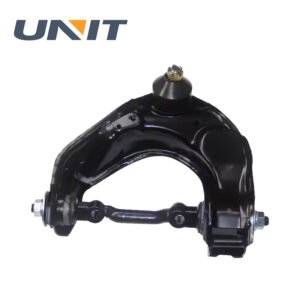
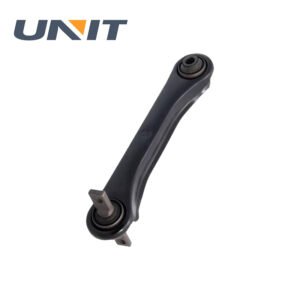
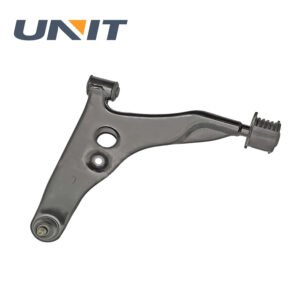
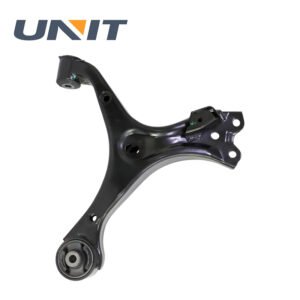
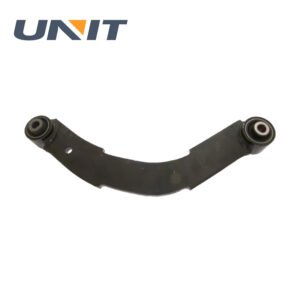
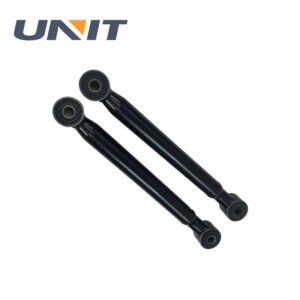
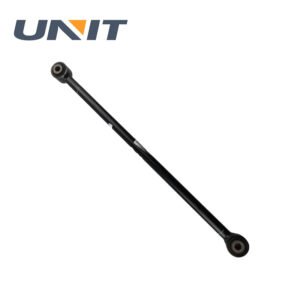
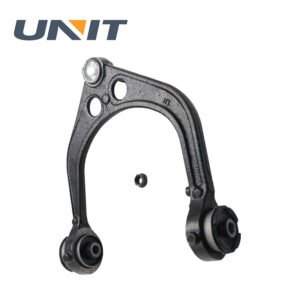
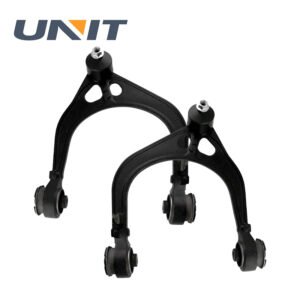
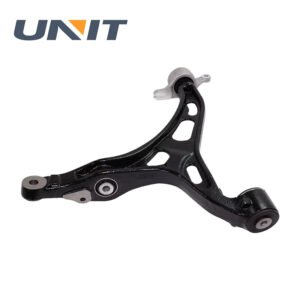
A control arm is a key suspension component that connects the wheel hub assembly to the vehicle chassis or subframe. Its primary function is to allow the wheels to move up and down while maintaining proper alignment with the vehicle body. Control arms work together with ball joints, bushings, and shock absorbers to ensure stable handling and smooth suspension movement.
Most vehicles use both upper and lower control arms, particularly in double-wishbone suspension systems. The control arm is usually made from stamped steel, forged steel, or aluminum alloy, depending on the vehicle’s design requirements. Rubber bushings are installed at the pivot points to absorb vibration and allow flexible movement, while a ball joint connects the control arm to the steering knuckle. A well-designed control arm helps maintain steering precision, tire contact with the road, and overall driving stability. If a control arm becomes worn or damaged, drivers may experience clunking noises, poor steering response, or uneven tire wear. Reliable control arms require strong materials, precise manufacturing, and high-quality bushings to ensure durability and safety.
Choose based on brand
Strut Mount
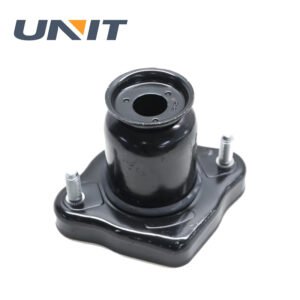
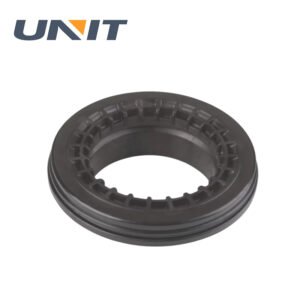
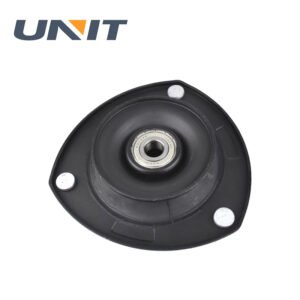
A strut mount is an important component in vehicles equipped with MacPherson strut suspension systems. It connects the suspension strut to the vehicle body and serves as a mounting point that supports the weight of the vehicle while isolating vibration and noise from the suspension. Strut mounts usually consist of a metal plate combined with a rubber insulator and, in many cases, an integrated bearing.
The rubber portion of the strut mount helps absorb road vibration and prevent it from transferring to the vehicle cabin, improving ride comfort. In front suspension systems, the strut mount often includes a bearing that allows the strut assembly to rotate when the driver turns the steering wheel. This design ensures smooth steering movement and reduces friction within the suspension system. Over time, strut mounts may wear out due to repeated stress and road impact. Symptoms of worn mounts can include knocking noises, steering stiffness, or increased vibration. High-quality strut mounts are manufactured with durable rubber materials and precise metal components to ensure long-term suspension performance.
Choose based on brand
Transmission Mount
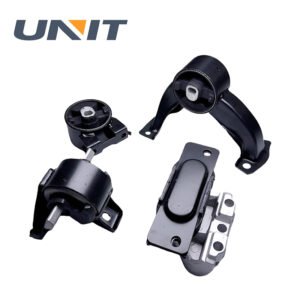
A transmission mount is a component designed to secure the vehicle’s transmission to the chassis while reducing vibration and movement generated during operation. Similar to engine mounts, transmission mounts typically combine metal brackets with rubber or elastomer elements that absorb vibration and stabilize the drivetrain.
The transmission mount works together with the engine mounts to support the entire powertrain system. During acceleration, gear changes, and braking, the engine and transmission produce torque forces that can cause movement within the drivetrain. Transmission mounts control this movement and keep the transmission properly aligned with other components such as the driveshaft and engine. A properly functioning mount helps reduce vibration, improve driving comfort, and protect nearby components from excessive stress. When a transmission mount becomes worn or damaged, drivers may experience harsh shifting, unusual vibrations, or clunking noises. High-quality transmission mounts are designed with durable rubber compounds and strong metal structures to ensure reliable performance and long service life.